
Dr. John Zalesky explains how connecting imaging, scanning, diagnostics, and patient data in one system has changed the way his practice diagnoses, plans treatment, and talks with patients.
The OP 3D LX is DEXIS's next-generation cone beam. It captures 2D and 3D images, and its large fields of view cover anything from a single quadrant to the complete maxillofacial complex. Each scan opens in DTX Studio Clinic beside the patient's X-rays, photos, and intraoral scans.
Imprevo is a DEXIS intraoral scanner that runs on the IS ScanFlow 2.0 software. DEXIS built it around precision, speed, and versatility for everyday digital impressions. The scan appears in IS ScanFlow as soon as it's captured, so you can review it with the patient before they leave the chair.
IS ScanFlow is the software that pairs with a DEXIS intraoral scanner. It simplifies scanning and diagnosis, and it gives you a clear way to show patients what you found. Dr. Zalesky's point in the video is that patients who see their own scans understand the recommendation better and accept treatment more often.
DTX Studio Clinic keeps X-rays, intraoral photos, and 2D and 3D images in one place, and its AI-powered features help you work through them faster. With the whole record on one screen, you can diagnose without switching between programs. That saved time is part of the efficiency Dr. Zalesky describes in the video.
Most practices own good imaging tools that don't talk to each other. Dr. Zalesky walks through what changes when CBCT, intraoral scans, and patient records all live in one place.
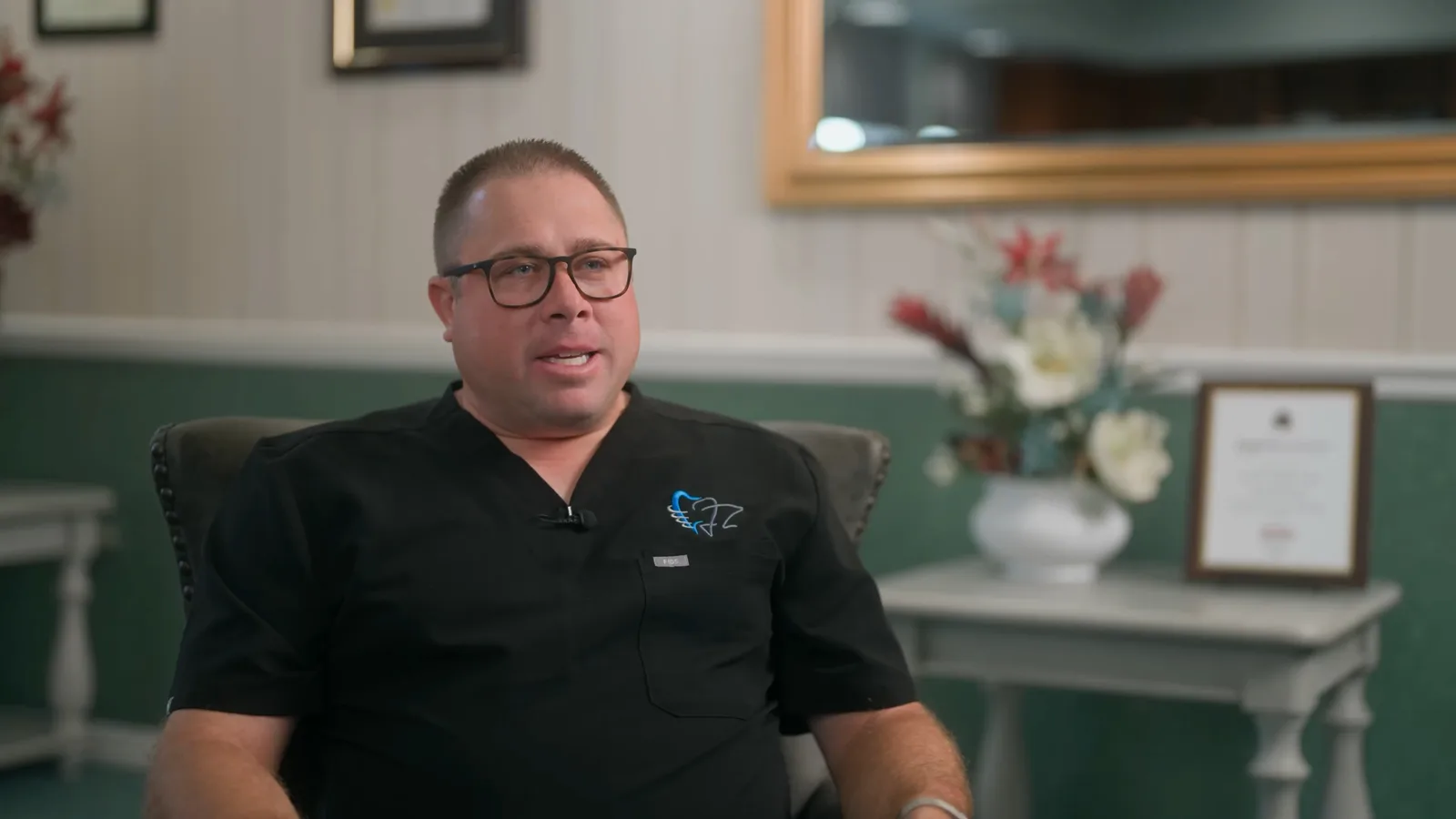

An integrated workflow pays off at every step of the visit, from the first image to the moment a patient says yes.
Dr. Zalesky teaches digital workflows in his Preps & Impressions and Full-Arch Implants courses, using the same tools he works with every week. Let's talk about your event.
*Note: Messages sent using this form are NOT confidential. Avoid sending highly confidential information or private information through this system.
